
Strong attraction can make two people feel unusually compatible within a few dates. You like the same music, conversation flows, the sex is good, and neither person wants the night to end. Those things matter, but gay dating compatibility becomes clearer after the excitement settles. The bigger questions involve how each person wants to live, communicate, handle privacy, spend money, resolve disagreements, express affection, and build a relationship. Two gay men can genuinely care about each other while wanting completely different lives. One may want marriage and children; the other may want a highly independent partnership with no shared home. Neither person is wrong. Choosing the right partner means noticing those differences before chemistry persuades you that every gap will somehow fix itself.
In this article
Chemistry Is Fast; Compatibility Repeats Itself
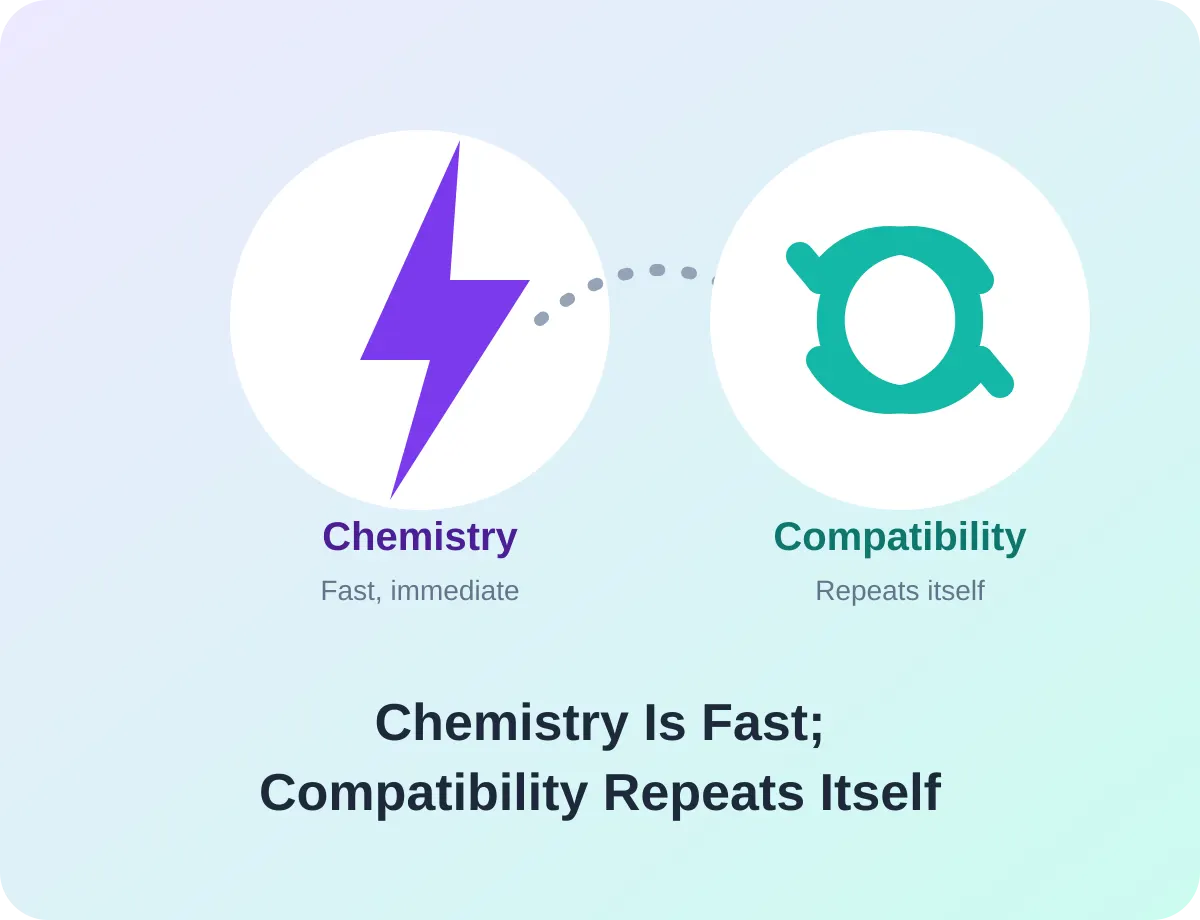
Chemistry is often visible immediately. Compatibility usually reveals itself through repeated ordinary situations. Does he communicate when plans change, or disappear for twelve hours? Can you disagree without one person turning every conflict into a threat to the relationship? Do your preferred weekends look remotely similar? The person who feels exciting on a Saturday night may still be difficult to build a Tuesday morning with. Gay dating compatibility is less about finding someone who matches every preference and more about discovering whether your differences can comfortably exist in the same relationship. A quiet homebody can date an extrovert. A meticulous planner can love someone spontaneous. Problems begin when those differences repeatedly leave one partner feeling restricted, ignored, embarrassed, or responsible for adapting. Pay attention to patterns rather than isolated impressive moments.
Start With the Life You Both Expect
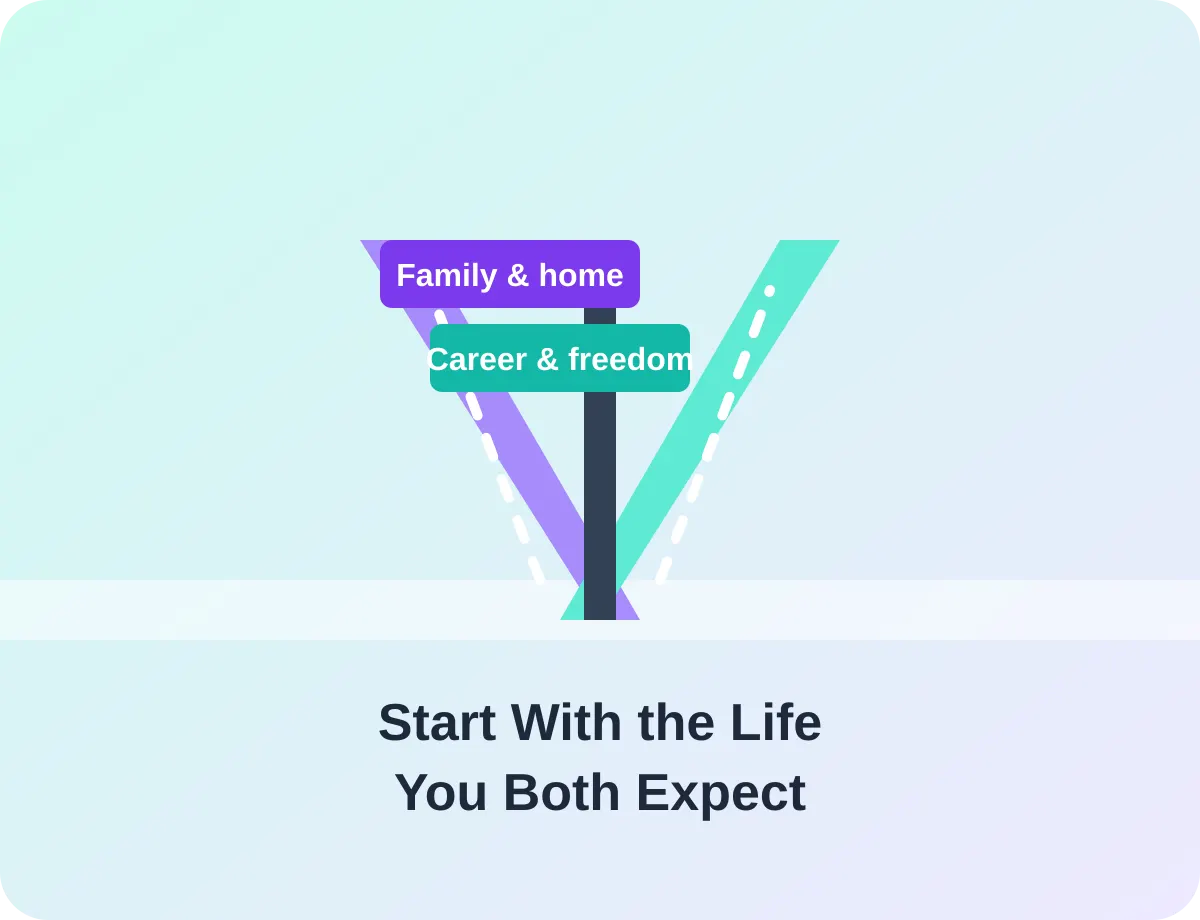
Dating conversations often focus on personality before practical life. Yet practical expectations become harder to ignore as a relationship gets serious. One person may imagine living together within a year, while the other values separate homes. Someone may want children, relocate internationally, spend heavily on travel, or prioritize caring for family. Career ambitions can change where a couple lives and how much time they have together. Social lives matter too. Some people want a partner integrated into a large queer friendship circle; others prefer much more independence. None of these answers proves that someone is a better boyfriend. They reveal whether two versions of adulthood fit together. You do not need a five-year plan on date two, but once the relationship starts becoming exclusive or emotionally serious, avoiding major life questions creates more risk than discussing them.
Compare the Parts of a Relationship That Actually Affect Daily Life
| Compatibility area | A useful question | A mismatch that deserves discussion |
|---|---|---|
| Relationship goal | What are you hoping this becomes? | One wants commitment; the other wants something casual |
| Outness and privacy | Who knows about your relationships? | One expects public visibility; the other requires privacy |
| Relationship structure | What does exclusivity mean to you? | Different expectations about monogamy or openness |
| Communication | How often do you like to stay in touch? | Constant contact vs long periods without messages |
| Social life | How involved should partners be with friends? | Shared social world vs strong independence |
| Sex | What helps you feel satisfied and comfortable? | Important desires remain unspoken or incompatible |
| Money | How do you usually spend and save? | Very different financial habits or expectations |
| Home life | What would living together look like? | Different standards around space, routines, or chores |
| Children | Do you imagine becoming a parent? | One strongly wants children; the other does not |
| Location | Where could you realistically live? | Careers or family responsibilities pull in opposite directions |
| Conflict | What happens when you are upset? | One pursues discussion while the other repeatedly shuts down |
| Affection | How do you naturally show care? | One needs frequent verbal or physical reassurance |
A difference is not automatically a dealbreaker. The important question is whether both people can discuss it without pretending it does not exist.
Outness and Privacy Can Change the Entire Relationship
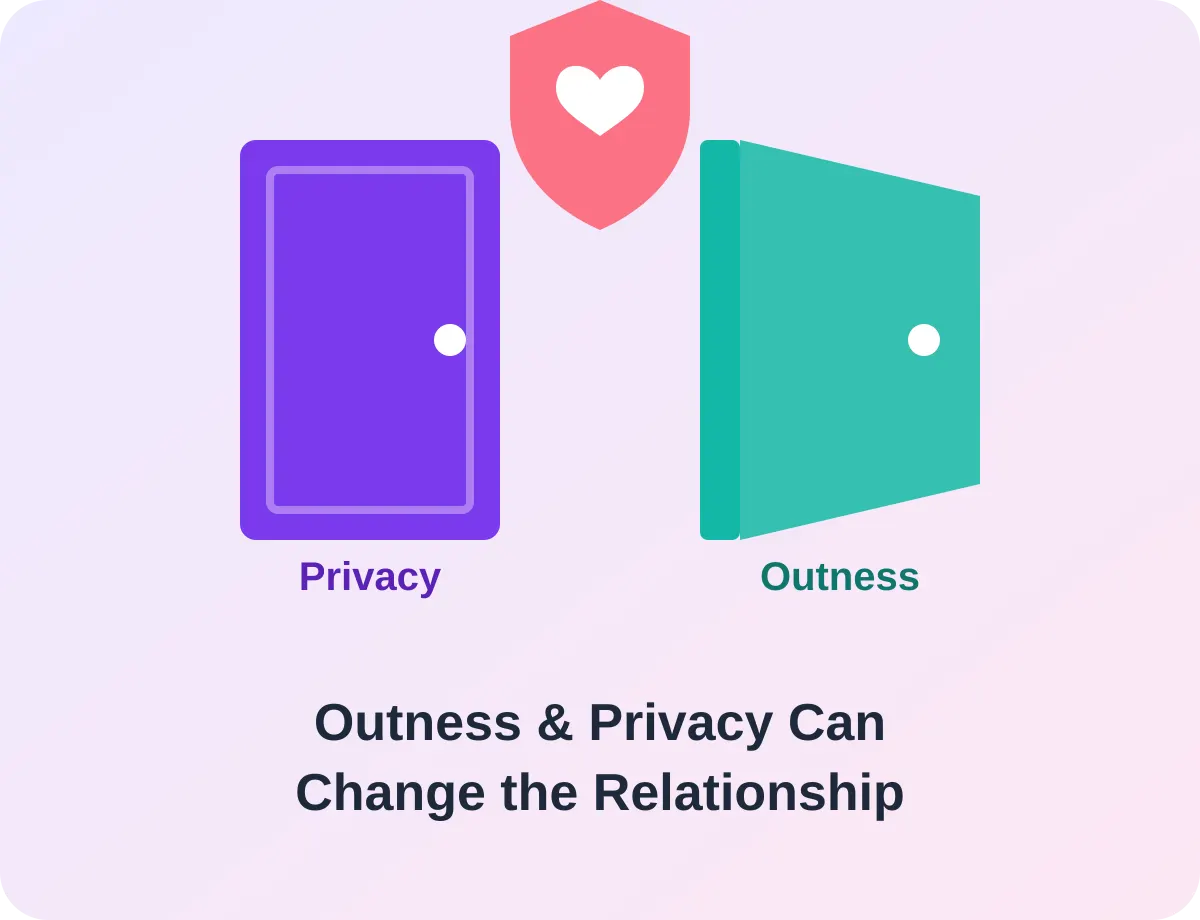
Outness is especially important because gay couples do not always move through every environment with the same level of comfort or safety. One partner may be completely open with friends, family, and coworkers. The other may be open socially but private at work, or not ready to tell relatives. Those differences affect ordinary decisions: posting photos, attending office events, introducing each other to family, holding hands in particular places, or deciding what information friends can share. Gay dating compatibility does not require identical levels of outness. It does require respect and clarity. Pressuring someone to disclose before they are ready can damage trust. At the same time, someone who wants an openly recognized partnership may eventually feel invisible if secrecy defines most of the relationship. Both realities deserve discussion without treating either partner as morally superior.
Ask Questions That Reveal More Than a Dating Profile
- What does a good relationship look like to you? Listen for how he describes everyday partnership, not only romance.
- How much alone time do you normally need? Independence can be healthy, but very different needs can create repeated misunderstandings.
- How do you usually handle conflict? “I hate drama” tells you less than hearing what someone actually does when hurt or angry.
- How important is being out as a couple? Discuss family, work, social media, and public affection separately.
- What does exclusivity mean to you? Never assume two people use “monogamous,” “open,” or “casual” in exactly the same way.
- How involved are you with your family? Family expectations can affect holidays, caregiving, location, and how visible a relationship becomes.
- What role do friends play in your life? Some people expect partners to share most social activities; others maintain strongly separate circles.
- What are you working toward financially? You do not need account balances, but attitudes toward saving, debt, travel, and spending matter.
- Would you ever want children? This becomes difficult to compromise on if both people hold strong opposite positions.
- How do you like affection to be shown? Frequent messages, physical touch, practical help, and verbal reassurance do not feel equally important to everyone.
- What would make you leave a relationship? Boundaries become clearer when people talk about what they consider unacceptable.
Sex, Affection, and Relationship Structure Need Direct Language
Sexual attraction can hide incompatibility for a while because early dating tends to create novelty. Longer relationships require more communication. Partners may differ in frequency, initiation, affection, sexual interests, or how important sex feels within the relationship. Gay couples may also need to define monogamy, openness, flirting, dating apps, pornography, and boundaries with ex-partners instead of relying on assumptions. There is no single relationship structure that proves a couple is healthy. A monogamous relationship can fail through poor communication, and an open relationship can be stable when both partners genuinely want it and maintain clear agreements. Problems arise when one person accepts a structure mainly because they fear losing the other. Compatibility means being able to state what you want, hear what your partner wants, and recognize when compromise would require either person to repeatedly ignore an important need.
Watch What Happens During Small Friction
Compatibility often becomes easiest to see when something minor goes wrong. A restaurant reservation disappears. Someone arrives late. One person wants to leave a party early. A joke lands badly. These moments reveal how both people respond when the interaction stops being effortless. Does your partner become contemptuous, defensive, controlling, or deliberately silent? Can either person apologize without turning the apology into an argument about who suffered more? More importantly, can the relationship return to warmth after a disagreement? Couples do not need identical communication styles, and conflict itself does not prove incompatibility. The stronger signal is whether conflict creates understanding or gradually teaches one person to stay quiet. Gay dating compatibility should leave room for disagreement without requiring either partner to become smaller, more anxious, or less honest to keep the relationship stable.
Look for Green Flags That Survive the Honeymoon Period
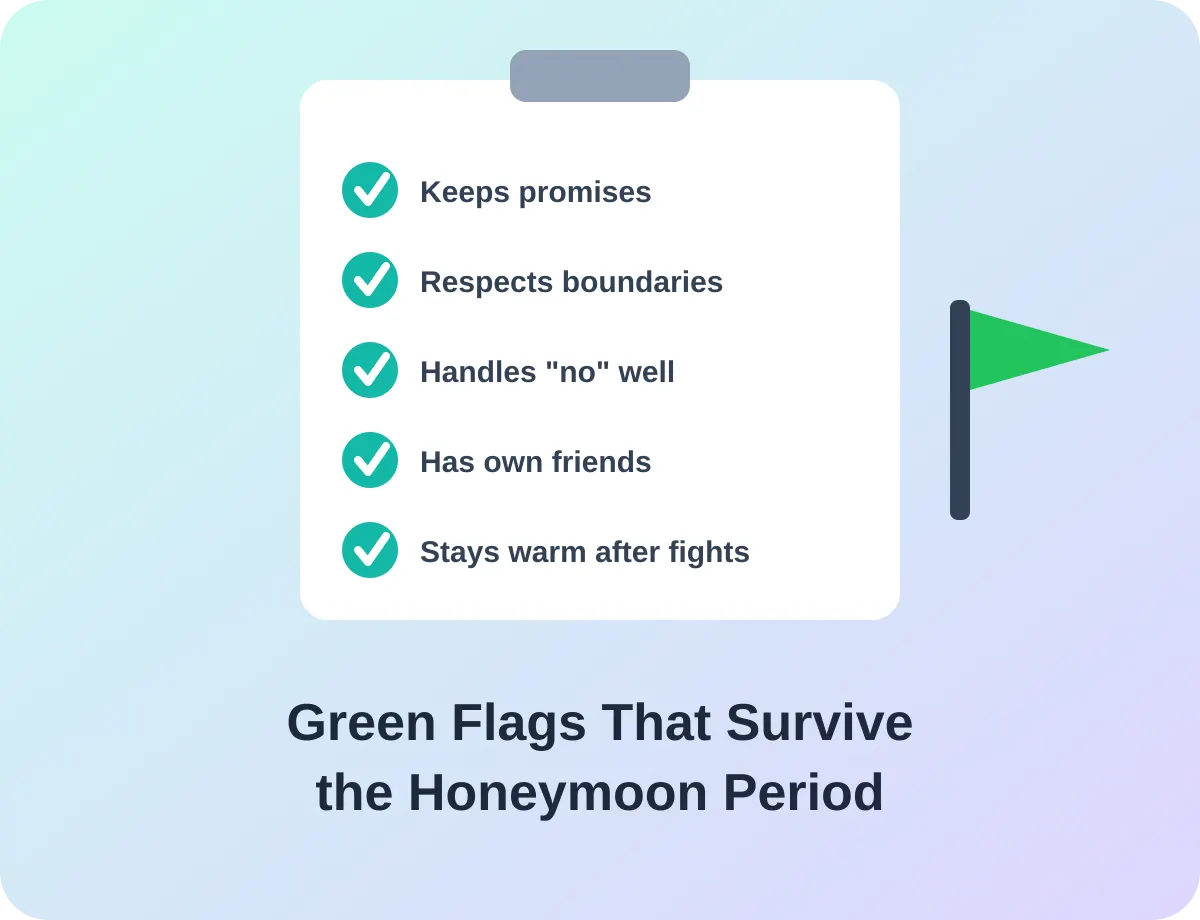
- He follows through on ordinary promises, not only romantic ones.
- You can tell him something uncomfortable without planning every sentence out of fear.
- He respects your privacy and does not decide your level of outness for you.
- Your boundaries remain valid even when they inconvenience him.
- He can hear “no” without treating it as rejection of the entire relationship.
- He has friendships and interests that do not depend completely on you.
- You can spend quiet time together without needing constant entertainment.
- Money discussions feel practical rather than competitive or secretive.
- He speaks respectfully about former partners even when those relationships ended badly.
- You can disagree about minor preferences without turning them into character flaws.
- Affection does not disappear whenever one person is unhappy.
- You both make adjustments rather than one partner becoming the permanent compromiser.
- Plans for the future become clearer as the relationship develops instead of remaining permanently vague.
- You feel able to maintain your friendships, identity, interests, and routines.
- The relationship feels good in ordinary weeks, not only on dates, holidays, or during sex.
Choosing the Right Partner Means Choosing a Relationship You Can Live In
The “right” person is rarely someone who matches every preference on a checklist. A more useful question is whether the relationship that forms between you is one you would willingly live inside for years. Can both people be honest? Can you make plans without one person constantly sacrificing? Are differences about sex, outness, money, family, or the future genuinely manageable, or are you hoping attraction will eventually make them disappear? Gay dating compatibility becomes strongest when two people know where they differ and still feel respected, secure, and free to speak. Take chemistry seriously, but do not ask it to do a job it cannot do. Attraction can start the relationship. Shared expectations, workable differences, trust, and repeated everyday behavior are what tell you whether it has somewhere healthy to go.
Frequently Asked Questions
What is the difference between chemistry and compatibility in gay dating?
Chemistry is the immediate spark you feel with someone, while compatibility is whether your day-to-day expectations, values, and communication styles actually work together over time. Chemistry gets a relationship started; compatibility determines whether it lasts.
How do you know if you’re compatible with someone you’re dating?
Watch how you both handle repeated, ordinary situations rather than big romantic moments — plan changes, disagreements, quiet weekends, and small friction. Compatibility shows up in patterns over weeks, not in how exciting a single date felt.
Does compatibility matter more than attraction in a relationship?
Both matter, but they serve different roles. Attraction can start a relationship, while shared expectations around money, communication, outness, and the future are what usually determine whether the relationship is sustainable long-term.
Can two people be compatible even if they are very different?
Yes. Compatibility isn’t about matching every preference — a homebody and an extrovert, or a planner and a spontaneous partner, can absolutely work. Problems arise when differences repeatedly leave one partner feeling restricted, ignored, or solely responsible for adapting.
References
- American Psychological Association — Relationships — Research-informed resources on communication, relationships, conflict, and the behaviors that influence interpersonal well-being.
- Love Is Respect — Healthy Relationships — Practical guidance on boundaries, communication, mutual respect, independence, and recognizing healthy relationship dynamics.
- The Gottman Institute — Relationships — Evidence-informed articles covering conflict, communication, trust, intimacy, and the everyday patterns that influence long-term relationships.