
Meeting gay men through friends can feel more natural than opening another dating app, but asking for an introduction still makes many people hesitate. You may worry that your friend will think you are desperate, turn the request into a big matchmaking project, or introduce you to the first single gay man they know even when you have almost nothing in common. A good introduction does not need that much pressure. The useful version is simple: tell a trusted friend you are open to meeting someone, give enough context to help them think of a realistic match, and let the introduction remain low-stakes. Your friend is opening a door, not choosing your future partner. When everyone understands that, introductions can become a comfortable way to meet people outside your existing dating-app routine.
In this article
Why Friend Introductions Can Feel Different From App Matches
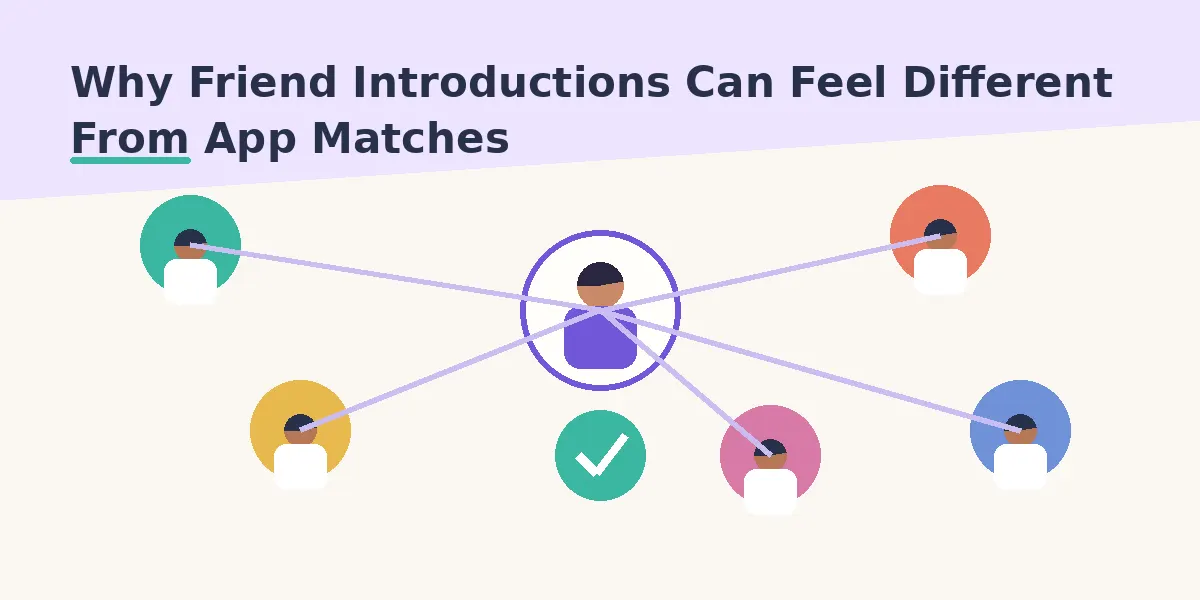
A friend introduction comes with a small amount of social context before the first message or meeting. You may already know that the other man is a real person, that he is connected to someone you trust, and that your friend sees at least some reason the two of you might get along. That is different from an app, where most of the early filtering happens through photos, short profiles, and direct conversation between strangers.
That does not mean friend introductions are automatically safer or more compatible. Friends can misread attraction, relationship goals, or personality just like anyone else. The advantage is not guaranteed quality; it is context. Stanford’s How Couples Meet and Stay Together research has tracked how romantic partners meet through many channels, including friends and online spaces. Meeting through friends is simply one social route among several, and it works best when the introduction gives both people room to decide for themselves.
Decide What You Actually Want Before You Ask
You do not need a detailed partner specification, but your friend needs more than “Do you know any gay guys?” Start with your current dating intention. Are you looking for a serious relationship, open to dating without a fixed outcome, or mainly trying to meet more gay men socially? That single piece of information changes who might be a sensible introduction.
Then identify two or three things that genuinely affect fit. Age range can matter, but so can lifestyle, location, social energy, relationship structure, or whether you want children. Avoid turning the request into a checklist of height, profession, body type, hobbies, and status. Friends are better at remembering people when you describe the experience you want: “I’d like to meet someone grounded who wants a real relationship and enjoys a fairly social life” is much more usable than twenty filters.
How to Ask Friends Without Making It Awkward
The easiest approach is casual and specific. Bring it up with friends who actually know you well enough to judge whether two people might enjoy each other. You can say that you are trying to meet more people offline and would be open to an introduction if someone appropriate comes to mind. That makes your interest clear without assigning your friend a job.
It also helps to remove the pressure explicitly. Tell them you do not need them to search, persuade anyone, or guarantee chemistry. If they think of someone naturally, great. If not, nothing changes. This is especially useful when you are exploring more ways of meeting gay men without dating apps, because introductions work best as one part of a broader offline dating life rather than as an emergency replacement for apps.
Give Friends Enough Context to Make a Good Introduction
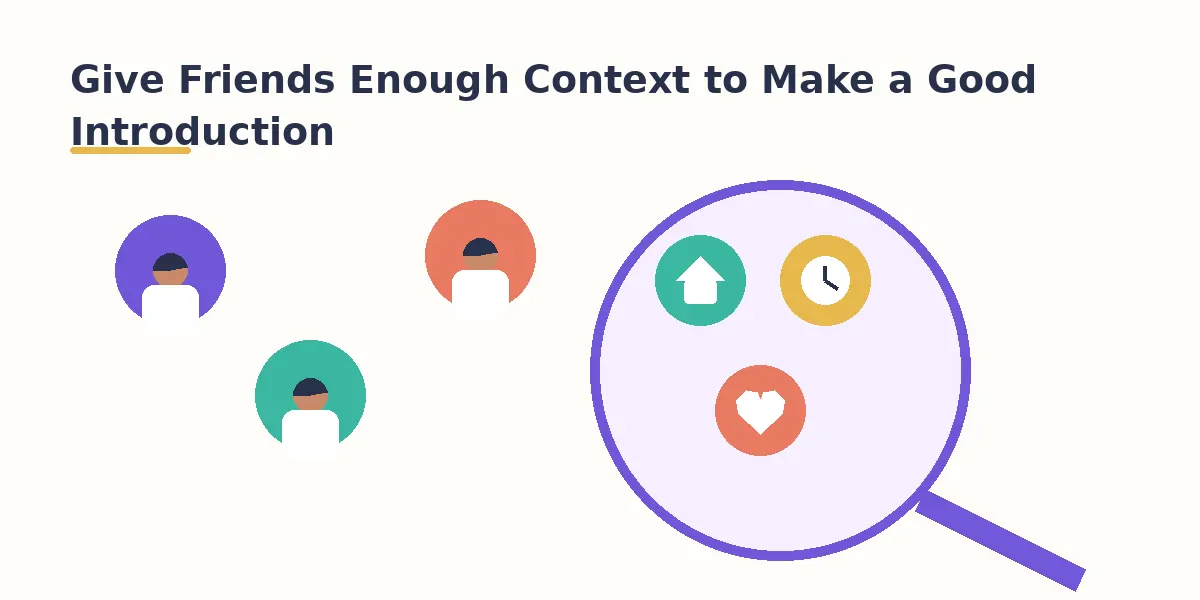
Friends often know different versions of you. A work friend may know your career and humor but not your dating goals. A close gay friend may understand your type but not your long-term plans. Give each person enough information to make a useful judgment rather than assuming they already know what kind of relationship would fit you.
Useful context includes what you are looking for, the broad age or life stage that makes sense, whether location is a practical issue, and one or two lifestyle factors that strongly affect compatibility. You can also mention what you do not need. If you are open to someone outside your usual physical type or someone with different hobbies, say so. That widens the friend’s mental list without lowering standards that actually matter.
Let Your Friend Protect the Other Person’s Privacy Too
An introduction involves two people, so your friend should not hand over someone else’s phone number, private Instagram, workplace information, or personal history without permission. A cleaner approach is for your friend to ask the other person first: “I have a friend I think you might get along with. Would you be open to an introduction?” If the answer is yes, then contact details can be shared in whatever way feels comfortable.
You should expect the same respect for your own information. If you do not want your dating history, relationship goals, or private details summarized in advance, tell your friend what is okay to share. Social connections are valuable partly because they can provide support and context, but healthy social relationships also depend on trust and boundaries. An introduction should create access, not remove privacy.
What to Do After Someone Agrees to Introduce You
Once both people are interested, keep the first contact simple. A group chat with the friend, a casual social event, or a direct message can all work. You do not need your friend to manage the conversation after the connection is made. Thank them, then let the new interaction become its own thing.
If you are messaging directly, acknowledge the connection without making it the whole conversation. “Mark said we might get along, so I’m glad he introduced us” is enough. Then ask something ordinary. If the exchange feels easy, suggest a low-pressure meeting rather than discussing compatibility through your mutual friend. The point of the introduction was to make meeting possible. After that, the two of you need firsthand information.
Do Not Ask Your Friend to Sell You
There is a difference between an introduction and a recommendation campaign. Your friend should not have to convince someone that you are attractive, relationship material, successful, or “different from the guys he usually dates.” That puts the other person in an awkward position and can make the eventual meeting feel like an obligation.
Ask your friend to be accurate rather than promotional. A brief description is enough: what you do, how you know each other, your general personality, and why they thought you might click. You also do not need to know every detail about the other man before agreeing to meet. Some curiosity is useful. If your friend has to pre-negotiate attraction, relationship goals, and a second date before the first hello, the introduction has become too heavy.
What Makes a Good Introduction Request?
A good request gives direction without turning your friend into a recruiter.
| Part of the request | Helpful version | Less helpful version |
|---|---|---|
| Dating intention | “I’m open to something serious if it develops well.” | “Find me a boyfriend.” |
| Type of person | “Someone kind, social, and emotionally available.” | A long list of physical filters |
| Pressure on the friend | “If anyone naturally comes to mind, I’m open.” | “Can you ask around this week?” |
| Privacy | “You can share my first name and Instagram if he’s interested.” | Sharing contact details before permission |
| First meeting | “A casual coffee or group hangout is fine.” | Expecting the friend to organize a full date |
| Outcome | “If we click, great. If not, no problem.” | Treating a mismatch as the friend’s mistake |
The best introduction request is clear enough to be useful and relaxed enough that everyone can say no.
If No One Comes to Mind, Leave the Door Open
Your friend may genuinely know no one suitable right now. That is not a judgment on your dateability. Social networks change over time. New coworkers, neighbors, sports teammates, friends of partners, and people at events appear gradually. A friend who cannot think of anyone today may meet someone next month and remember the conversation.
Avoid repeatedly checking whether they have “found someone yet.” Instead, let them know the invitation stays open and continue building your own social life. Join groups, attend events, accept more social invitations, and reconnect with people you like. The more active and varied your network becomes, the more chances there are for introductions to happen naturally without anyone acting as a full-time matchmaker.
Friend Introductions Work Best When They Stay Light
Meeting gay men through friends works because it combines familiarity with discovery. Someone you trust can create a bridge, but the relationship still needs to form between the two people being introduced. That is why the best requests are specific, private, and low-pressure.
Tell your friends you are open to meeting someone. Give them a realistic picture of what matters. Let them ask permission before sharing information. Then, once the introduction happens, take responsibility for the connection yourself. A friend can help you meet a man you might never have crossed paths with on your own. They do not need to predict chemistry, guarantee compatibility, or manage what happens next.
References
- Stanford University — How Couples Meet and Stay Together: Nationally representative research examining how Americans, including an oversample of gay, lesbian, and bisexual adults, meet romantic partners and how those relationships develop.
- NCBI Bookshelf — Social Relations: Overview of social integration, social support, and how social relationships can provide practical and emotional resources.