
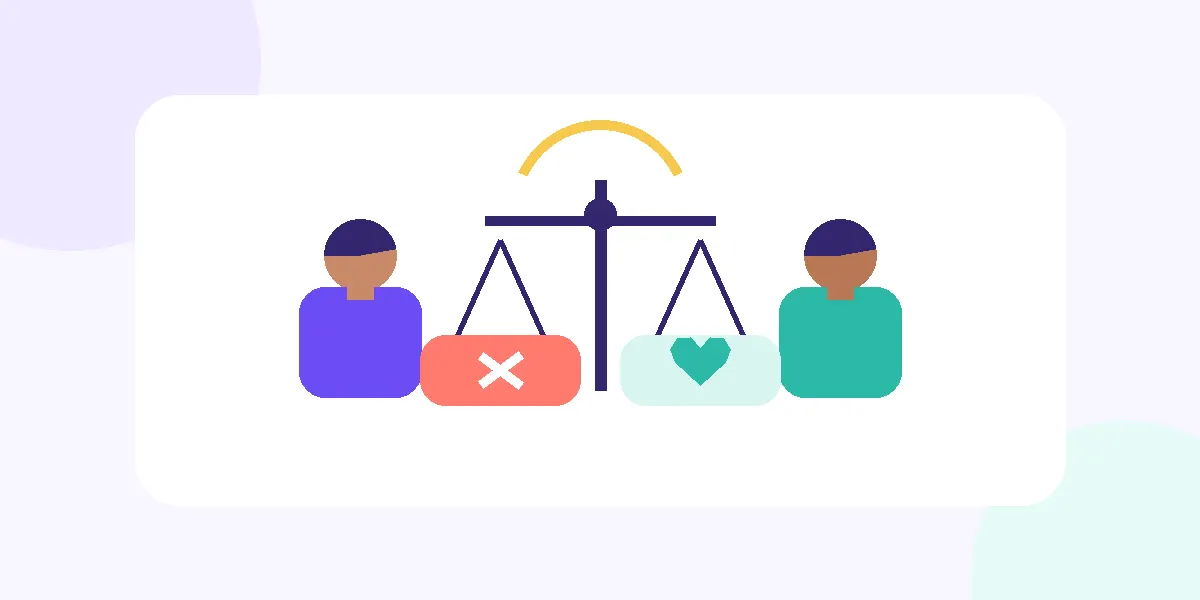
Gay dating dealbreakers are useful because they help you protect your time, emotional energy, and values. The problem starts when a dealbreaker list grows so long that it becomes a screening system no real person can pass. A healthy standard should help you recognize situations that are genuinely wrong for you, not eliminate someone because he has a different hobby, texts in a different style, or does not match an imagined partner perfectly. The goal is not to lower your standards. It is to make them more accurate. When you know which issues affect trust, respect, lifestyle, and relationship goals, you can date with clearer boundaries while leaving room for attraction and compatibility to develop in ways you did not predict.
In this article
Why Gay Dating Dealbreakers Are Worth Defining
Dating becomes confusing when every dislike carries the same weight. You may know that dishonesty would end a relationship, but also feel strongly about someone’s job, social habits, fashion, gym routine, or favorite nightlife. If all of those become “dealbreakers,” your list stops telling you what actually matters. A useful dealbreaker identifies something that would make a relationship unhealthy, unsustainable, or fundamentally incompatible for you. It gives you a reason to leave or decline a match that is tied to your actual needs rather than a temporary mood.
This matters in gay dating because two men can share attraction and still want very different lives. One may want monogamy while the other prefers an open relationship. One may be ready to build a home together, while the other wants maximum independence. Neither person has to be wrong. Clear dealbreakers simply help you notice when an important mismatch is unlikely to disappear with better chemistry. They also make it easier to avoid bargaining with yourself just because someone is attractive or the early dates feel exciting.
Separate Dealbreakers From Preferences and Fears
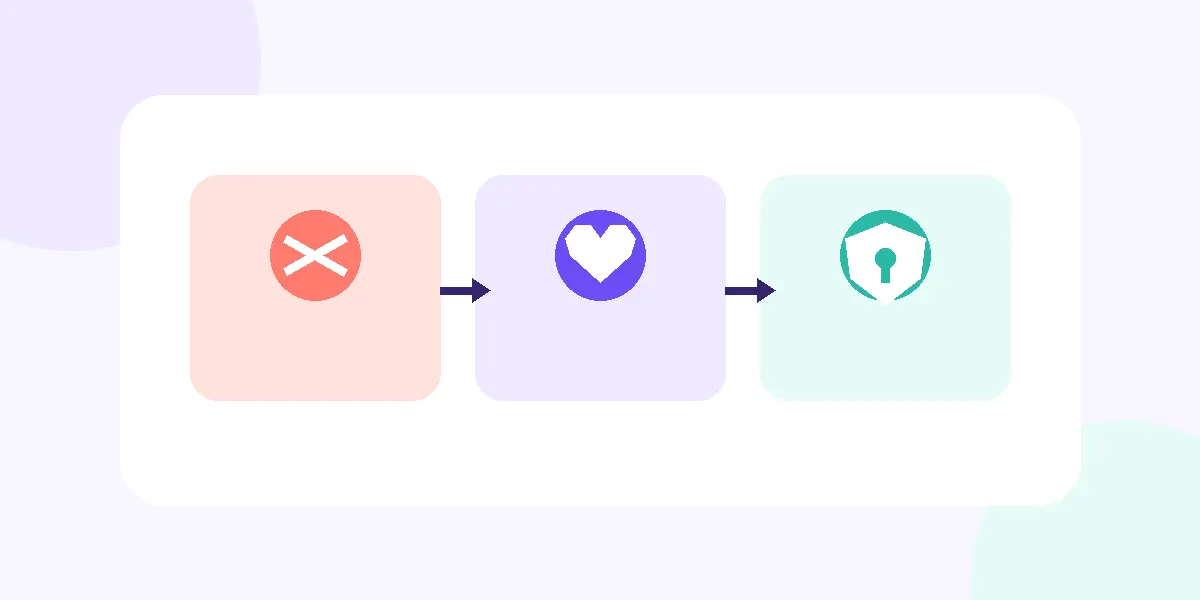
A dealbreaker is a condition that makes you unwilling to continue because it conflicts with a core need, value, boundary, or life direction. A preference is something you would like but could happily compromise on. Fear is different again: it often sounds like a standard, yet its real purpose is to protect you from uncertainty, rejection, or vulnerability. Knowing which category you are dealing with changes how you date and how quickly you make decisions.
For example, “I need a partner who is honest about exclusivity” may be a genuine boundary. “I only date men over a certain height” is more likely a preference, even if it feels strong. “I will not date anyone who takes several hours to reply” may sometimes reflect a real communication need, but it can also come from anxiety. Before labeling something a dealbreaker, ask what would actually happen if a good match did not meet it. If the answer is mostly discomfort rather than incompatibility, the issue may deserve curiosity before rejection.
Build Your List Around Values, Not an Ideal Character
Start with the relationship you want to experience rather than the man you imagine standing inside it. Values such as honesty, emotional safety, mutual effort, sexual health, financial responsibility, family expectations, or respect for independence are more useful than a long character sketch. They describe how a relationship needs to function instead of dictating every trait your partner must possess. That keeps your standards connected to daily life rather than fantasy.
Then make each standard specific enough to recognize in real life. “He must be emotionally mature” is vague. “He can discuss conflict without insults, threats, or disappearing for days” is observable. “He must be ambitious” could mean almost anything. Perhaps what actually matters is that he takes responsibility for his own life and has plans he cares about. The more clearly you define the need underneath a label, the less likely you are to reject someone over a superficial mismatch or excuse behavior that violates the value you were trying to protect.
Dealbreakers That Can Protect Your Wellbeing

Some dealbreakers are less about taste and more about whether a relationship can feel safe, respectful, and workable. Your exact list will be personal, but these areas are worth thinking through before strong attraction makes boundaries harder to evaluate.
- Repeated dishonesty: A single awkward omission is different from an ongoing pattern of lying, hiding important information, or changing stories when confronted.
- Disrespect for consent or sexual boundaries: Pressure, guilt, manipulation, or ignoring a clear “no” deserves to be taken seriously. Attraction is never a reason to negotiate away basic consent.
- Incompatible relationship agreements: If you want monogamy and he definitely wants non-monogamy, neither of you needs to be the villain. The mismatch itself may be enough.
- Controlling behavior: Attempts to isolate you from friends, monitor your phone, dictate what you wear, or decide who you can see are not signs of devotion.
- Persistent contempt: Teasing can be affectionate, but repeated humiliation, insults, or treating your interests as embarrassing creates a very different dynamic.
- Major life-direction conflicts: Children, where to live, marriage, caregiving responsibilities, and long-term mobility can become genuine dealbreakers when neither person wants to compromise.
- Unwillingness to communicate about sexual health: You do not need identical histories or risk tolerance, but respectful discussion about testing, protection, agreements, and boundaries matters.
When Standards Start Becoming Too Rigid
Standards become rigid when they stop protecting your wellbeing and start protecting you from having to encounter difference. One warning sign is rejecting people for traits that have little connection to the relationship you actually want. Another is creating rules around details you have never tested in real life. You may assume you need a partner with your exact social energy, profession, music taste, or fitness habits simply because that picture feels familiar. Familiarity can feel safe without necessarily being compatible.
Rigidity can also appear when a past disappointment turns into a universal rule. One ex was unreliable, so now anyone who travels for work feels unsafe. A previous partner avoided commitment, so you decide that a man who wants to “take things slowly” must be wasting your time. Past experience should inform your standards, but it does not always predict what a new person means. Leave enough space to investigate before you decide. A boundary can stay firm while your interpretation of a new person remains open until you have more evidence.
Compatibility Is About Patterns, Not Perfect Matches

Compatibility usually becomes clearer through patterns: how you treat each other, manage differences, communicate needs, spend time, approach sex, handle conflict, and imagine the future. Those patterns matter more than whether a person checks every box you wrote before meeting him. Even strong preferences can change when you encounter someone whose overall fit feels unusually good. The reverse is also true: matching a long list of traits cannot compensate for a relationship that repeatedly feels tense, dismissive, or one-sided.
That is why it helps to think about gay dating compatibility as something you discover rather than something you fully calculate in advance. A man may be different from your usual “type” yet make everyday communication feel easy. Another may look perfect on paper while leaving you anxious or unseen. Dealbreakers should filter out relationships that cannot meet important needs; they should not try to predict every form a good relationship can take. Good dating decisions usually combine standards with enough real interaction to see the person behind the checklist.
Dealbreaker, Preference, or Something to Discuss?
When you are unsure how much weight to give a concern, slow the decision down. The same issue can fall into different categories depending on what it means to you and whether compromise is realistic.
| Situation | Possible category | Question to ask yourself |
|---|---|---|
| He wants children and you definitely do not | Likely dealbreaker | Would either of us have to give up a major life goal? |
| He prefers quieter weekends than you do | Preference or discussion | Can we enjoy some activities separately and still feel connected? |
| He takes longer to text back than you prefer | Usually discussion | Is the real issue response speed, reliability, or reassurance? |
| He repeatedly mocks your boundaries | Dealbreaker | Does this behavior make me feel respected and emotionally safe? |
| He is not your usual physical type | Preference | Am I actually unattracted, or am I comparing him with a fixed image? |
| You have different hobbies | Usually preference | Do we still enjoy each other and support separate interests? |
| You want monogamy and he clearly does not | Likely dealbreaker | Is there any agreement that would genuinely work for both of us? |
The point is not to classify every dating issue perfectly. It is to stop automatic reactions long enough to understand what a concern represents. Some questions deserve a firm no; others deserve one honest conversation.
Communicate Dealbreakers Without Turning Dates Into Interviews

You do not need to announce a complete dealbreaker list on a first date. Bring up important topics when there is enough context for an actual conversation. If relationship structure matters to you, ask what kind of relationship he is open to rather than demanding the “correct” answer. If children are essential to your future, discuss them early enough that neither person invests months in an obvious mismatch. The goal is useful information, not a test designed to catch someone saying the wrong thing.
Tone matters too. “I’m looking for monogamy” tells someone about you. “I would never date a guy who needs an open relationship” turns the same information into judgment. Clear boundaries do not require you to criticize people whose choices differ from yours. You can be firm and still curious: ask what a person means, listen to the answer, and decide whether the difference works for you. That approach usually reveals more than trying to force certainty too early. It also lets the other man decide whether your needs are compatible with his.
Keep Your Gay Dating Dealbreakers Clear but Flexible
A good dealbreaker list should become clearer as you date, not longer after every disappointing experience. Review it occasionally and ask whether each item protects something important or simply reduces uncertainty.
- Keep the standards tied to core needs. Trust, consent, respect, relationship structure, and major future goals deserve more weight than lifestyle details that can be negotiated.
- Challenge rules based on one bad experience. A pattern from one ex may be useful evidence, but it is not automatically a universal truth about every future partner.
- Notice when “not my type” is doing too much work. Attraction matters, but your usual type is not the same thing as compatibility.
- Allow people to explain themselves. A short conversation can reveal whether a difference is fundamental, temporary, misunderstood, or surprisingly easy to work with.
- Update your list from real relationships. Pay attention to what actually made you feel secure, connected, respected, and able to be yourself.
- Stay firm where flexibility would cost too much. Being open-minded does not mean ignoring behavior that repeatedly violates your safety, dignity, or essential relationship goals.
Gay dating dealbreakers work best when they create clarity without turning dating into a search for perfection. Keep the boundaries that protect the life and relationship you genuinely want, question the rules that mainly protect you from uncertainty, and leave enough room for a real person to surprise you.
References
- American Psychological Association — What relationship science says about finding love: Paul Eastwick, PhD, discusses attraction, compatibility, and why compatibility is not the same as general popularity.
- American Psychological Association — The science of relationships: Gary Lewandowski, PhD, discusses relationship quality, unrealistic expectations, and the problem with aiming for a perfect partner.