

Feeling shy around new people can make dating seem harder than it looks from the outside. You may know exactly what you want to say until someone attractive sits across from you, then suddenly become quiet, self-conscious, or convinced that every pause is noticeable. Shyness does not mean you are bad at dating, emotionally unavailable, or lacking confidence in every part of your life. It often means unfamiliar social situations take more time to feel comfortable. The solution is not to become the loudest person in the room. A better approach is to make early dating easier to enter: choose lower-pressure settings, use smaller social goals, prepare a few conversational starting points, and give your nervous system enough repetition to learn that meeting someone new does not have to become a performance.
In this article
Shyness Is Not a Dating Defect
Shy people can be warm, funny, flirtatious, direct, and deeply social once they feel safe. The awkward part is often the transition from stranger to familiar person. The American Psychological Association defines shyness in terms of anxiety and inhibition in social situations, including self-consciousness and concern about negative evaluation. That describes a response pattern, not a verdict on your attractiveness or relationship potential.
It also helps to separate ordinary shyness from social anxiety that significantly disrupts everyday life. The NHS notes that social anxiety goes beyond shyness when fear is persistent and has a major effect on activities, confidence, relationships, work, or school. You do not need to diagnose yourself to date better. Just notice whether you are dealing with normal nerves that improve through practice or fear that is repeatedly limiting your life and may deserve professional support.
Make the Social Step Smaller, Not Yourself

When dating feels intimidating, people often set goals that are too large: be charming for two hours, approach someone across a crowded bar, or make a first date go perfectly. Replace that with a smaller action you can actually complete. Send one message. Ask one follow-up question. Stay at a social event for thirty minutes. Accept one coffee date instead of waiting until you feel completely confident.
Psychologist Bernardo Carducci has discussed managing shyness by changing how people approach social situations rather than expecting shyness to disappear first. Repeated, manageable experiences give you evidence that you can function while feeling nervous. The point is not to force yourself into the most uncomfortable setting available. It is to make the next step slightly more social than the last one and let confidence catch up through experience.
Move Your Attention From Performance to Curiosity
Shyness becomes louder when your attention stays fixed on yourself: How do I look? Was that answer boring? Where should I put my hands? Does he think I am awkward? The more closely you monitor your performance, the less attention remains for the actual person in front of you. That can make a normal pause feel like a crisis.
Try giving yourself a different job: learn three real things about him. Notice what topic changes his energy. Ask what he has been enjoying lately. Follow something he mentioned instead of immediately searching for your next perfect question. Curiosity creates an outward focus and makes conversation feel less like an audition. It also gives you better information about compatibility, which matters more than whether you appeared effortlessly confident during the first ten minutes.
Build Confidence Without Waiting for Approval
Dating can tempt shy people to treat every response as a score. A fast reply means you did well. A delayed message means you said the wrong thing. A second date proves you are attractive. A rejection proves you failed. That system makes confidence unstable because another person controls it.
A healthier version of gay dating confidence comes from how you behave, not whether every person chooses you. Did you show up even though you were nervous? Did you ask for what you wanted? Did you keep a boundary? Did you allow yourself to be quiet without apologizing for your personality? Those are forms of progress you can keep even when a particular match does not become a relationship.
Choose Date Formats That Give Conversation Some Help
A loud bar, formal dinner, or crowded party can be especially demanding when you already feel self-conscious. You have to manage eye contact, conversation, noise, timing, and the pressure of sitting directly opposite someone. You are allowed to choose settings that make social interaction easier.
Coffee, a walk, a bookstore, a casual market, a gallery, or a simple activity can give both of you something external to notice. Side-by-side movement can also feel less intense than continuous face-to-face conversation. Keep the first meeting reasonably short if that helps you say yes to it. A sixty-minute date that you can approach with curiosity is more useful than a three-hour plan you dread for a week and cancel at the last minute.
Let Conversation Work Like Ping-Pong, Not a Speech
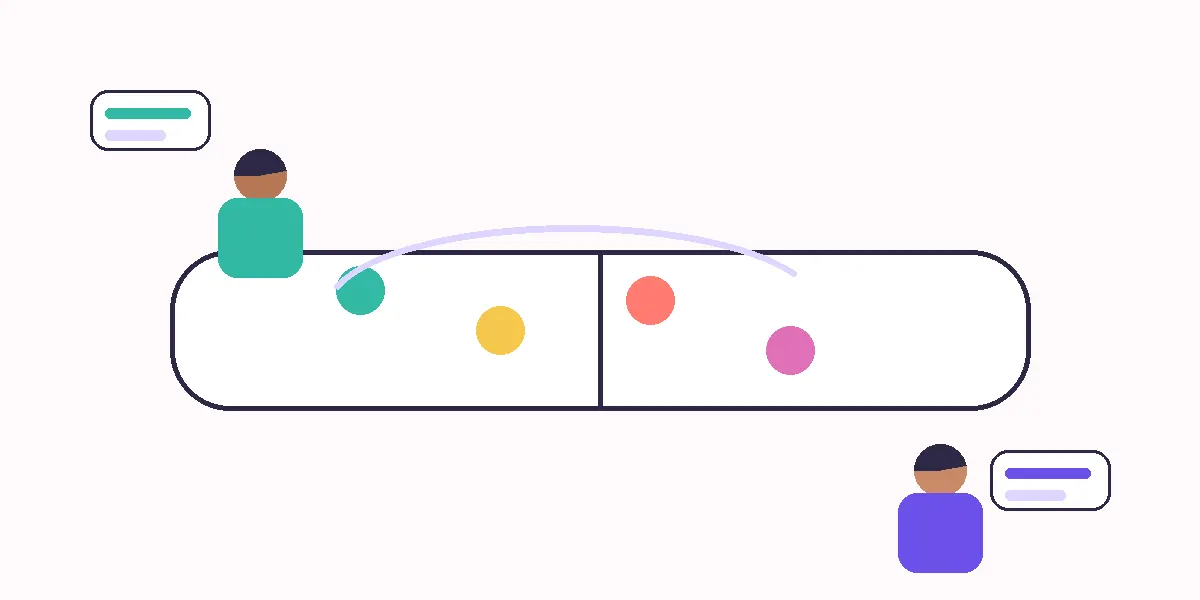
You do not need a catalogue of impressive stories. Good conversation usually moves back and forth. He says something, you respond, you add a small piece of yourself, and you return the ball with a question or observation. If he mentions that he recently started cooking, you might say, “I’m trying to cook more too, but I keep making the same three things. What did you learn first?” That is enough to create movement.
Prepare a few topics if it reduces anxiety, but do not memorize an interview. Weekend routines, food, travel, work that he actually enjoys, local places, music, hobbies, and what brought him to the app can all work. More important than the question is listening to the answer. A shy person who listens closely can create a much warmer date than a highly talkative person who never follows what the other person says.
Dating Habits That Make Shyness Easier to Manage
Small adjustments can lower the amount of pressure you carry into each interaction.
- Arrive with a simple goal: Decide that success means showing up and learning something about the person, not securing a second date.
- Give yourself a warm-up: A short walk, ordering your drink, or chatting briefly with staff can make the first social contact of the day happen before the date.
- Prepare two or three conversation anchors: Enough to prevent a blank mind, but not so many that you are trying to run a script.
- Name your shyness lightly if you want to: “I’m a little quiet when I first meet someone” can remove the pressure to hide it.
- Choose a manageable duration: A shorter first date can make accepting invitations easier when anticipation is the hardest part.
- Avoid reviewing every sentence afterward: Ask what you learned about the person and how you felt around him instead of replaying every pause.
- Keep dating frequency realistic: Enough repetition to build familiarity, but not so many dates that you become socially exhausted.
What to Do When Your Mind Goes Blank
A blank moment does not mean the date is failing. Pauses happen in good conversations too. You can take a sip, look around, or simply say, “I lost my train of thought for a second.” Most people will not treat a few quiet seconds as seriously as you do internally.
| If this happens | Try this | Why it helps |
|---|---|---|
| You cannot think of a new topic | Return to something he mentioned earlier | It shows attention and removes pressure to invent |
| You answer too briefly | Add one small detail about why | It gives him something to respond to |
| You feel visibly nervous | Slow your breathing and put both feet on the floor | It gives your body a simple physical anchor |
| There is a long pause | Comment on the setting or ask a light follow-up | It restarts conversation without drama |
| You talk too fast | Pause after a sentence before adding more | Slower pacing gives both of you room |
| You forget a prepared question | Let it go | Natural conversation matters more than completing a list |
You are allowed to look nervous and still have a good date.
Let Familiarity Do Some of the Work
Shyness often decreases once someone stops feeling like a stranger. That means your first-date personality may not be your full social personality, and you do not need to force it to be. If the date was comfortable enough and you are curious about him, a second meeting can give you a better picture of the connection.
This is also why repetition matters even when individual dates do not lead anywhere. You become more familiar with introductions, pauses, ordering, asking questions, ending a date, and handling uncertainty afterward. Those pieces require less mental effort over time. Confidence may appear gradually as ordinary familiarity rather than as a dramatic feeling of bravery.
You Do Not Need to Become Extroverted to Date Well
Dating when you feel shy works better when the goal is participation, not personality replacement. You can prefer small groups, take time to warm up, need recovery after social events, and still build strong romantic connections. What matters is finding ways to let other people meet you despite the initial inhibition.
Take smaller steps, choose environments that help, move attention toward curiosity, and measure success by your own behavior rather than another person’s approval. If fear is so persistent that it stops you from meeting people, working, studying, or living normally, professional support may be useful. Otherwise, ordinary shyness can coexist with a good dating life. You do not have to wait until you feel fearless. You only need a next step small enough that you are willing to take it.
References
- American Psychological Association — Managing shyness with Bernardo Carducci, PhD: Practical discussion of shyness, social discomfort, and ways people can approach unfamiliar interactions more effectively.
- NHS — Social anxiety: Explains how persistent social anxiety differs from ordinary shyness and when fear begins to affect everyday life.