
Romance scams on gay dating apps do not always begin with an obvious request for money. They often begin with attention, warmth, flattering messages, and a sense that the connection is moving unusually fast. The scammer may seem emotionally available, highly interested, and surprisingly compatible. That is what makes the scheme effective: the manipulation is designed to feel like intimacy before it feels like fraud. Gay men can be targeted through dating apps, social media, messaging platforms, and fake profiles using stolen or synthetic images. The safest approach is not suspicion toward everyone. It is learning the common sequence so you can notice when affection starts turning into pressure, secrecy, financial requests, or repeated excuses for why the person cannot meet.
In this article
Warning Signs Usually Appear in a Sequence
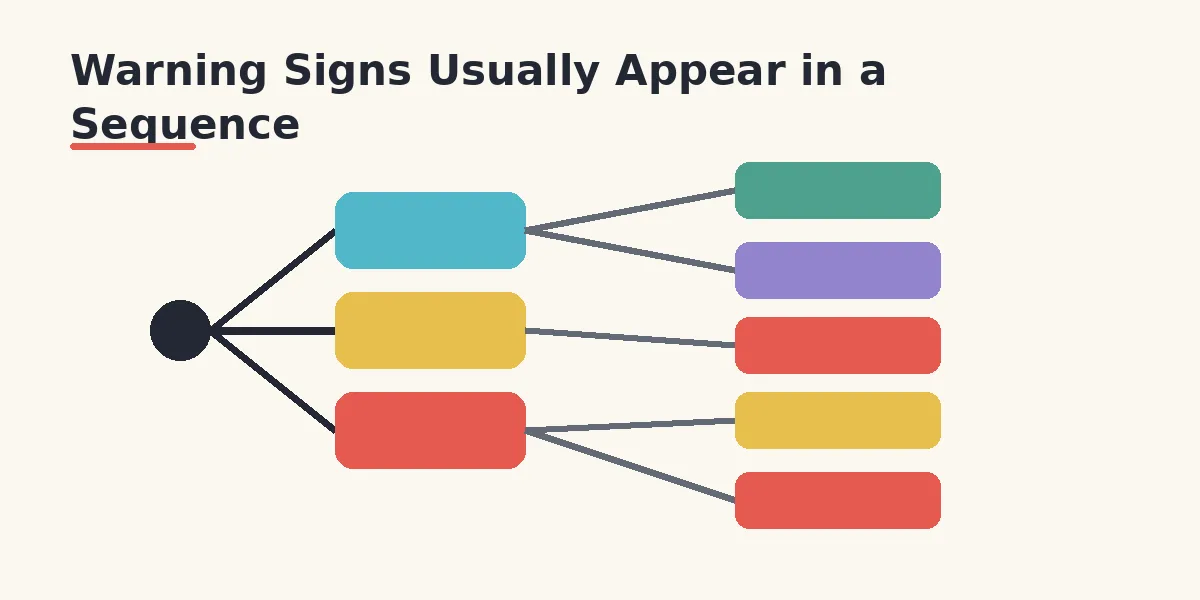
A romance scam is often easier to recognize as a sequence than as one isolated red flag. The interaction may start with fast emotional intensity. Then the person tries to move the conversation away from the dating app. Next comes a reason they cannot meet in person or video chat reliably. After trust grows, a crisis appears. That crisis may involve travel, medical expenses, legal trouble, a frozen bank account, cryptocurrency, or another financial emergency.
The FBI describes romance scams as fake online relationships built to gain affection and trust before manipulating or stealing from the victim. The FTC describes a similar pattern: move communication off-platform, avoid meeting, then introduce a request for money or investment. One unusual detail does not prove fraud. A chain of increasingly convenient explanations is much more concerning.
Fast Pressure to Leave the App Is a Red Flag
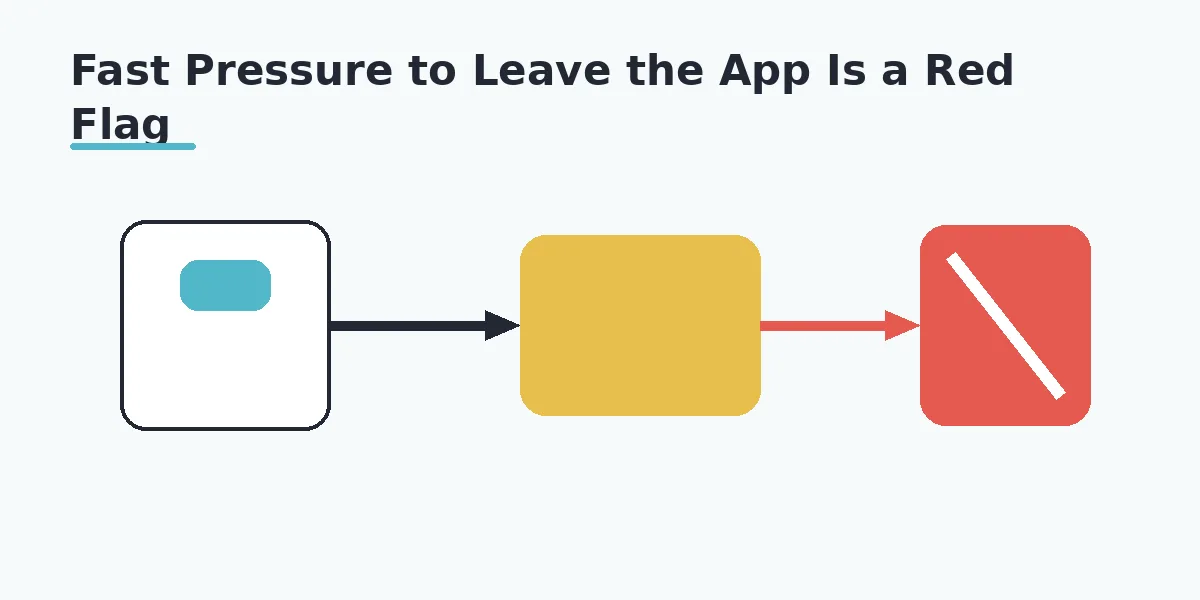
It is normal for genuine matches to move to another messaging app eventually. The warning sign is speed combined with pressure. A scammer often wants to leave the dating platform before trust has had time to develop because the platform may have reporting tools, moderation, or records that are less convenient for fraud.
Be cautious if someone immediately pushes for private messaging, refuses to continue on the app at all, or acts as if moving platforms proves commitment. The FBI specifically advises caution when a new online love interest quickly wants to leave a dating service or social platform. Keep the move proportionate to the connection. You do not owe anyone your phone number, private social account, or other identifying information just because the conversation feels exciting.
The Profile Can Look Convincing and Still Be Fake
Scam profiles are not always badly made. A profile may have several attractive photos, a plausible biography, detailed job information, and a consistent personality. Stolen images can come from real people, while AI tools can make fake content harder to recognize by sight alone. This is why appearance should never be your only verification method.
Use multiple checks. Reverse-image search profile photos. Search distinctive parts of the person’s story along with the word “scam.” Notice whether names, jobs, locations, or timelines stay consistent. The FBI recommends researching the person’s photo and profile online, and the FTC recommends reverse-image searching profile pictures when a romance scam is suspected. This fits the broader habit of protecting your identity, photos, and location while gay dating online: verify before you give the connection more access to you.
Repeated Excuses for Why You Cannot Meet Matter
Distance alone is not suspicious. Many real people travel, work internationally, or have complicated schedules. The concern grows when every plan to meet is followed by a new emergency or when the person’s circumstances make meeting permanently impossible.
The FTC’s February 2026 consumer guidance highlights inability to meet as a major romance-scam warning sign, including stories about military service, overseas business, or repeated cancellations. The FBI similarly warns about people who promise to meet but always produce another excuse. Video calls can help, but they are not perfect proof anymore. What matters is whether the relationship keeps advancing emotionally while ordinary verification remains strangely difficult.
Money Requests Often Escalate From Small to Urgent
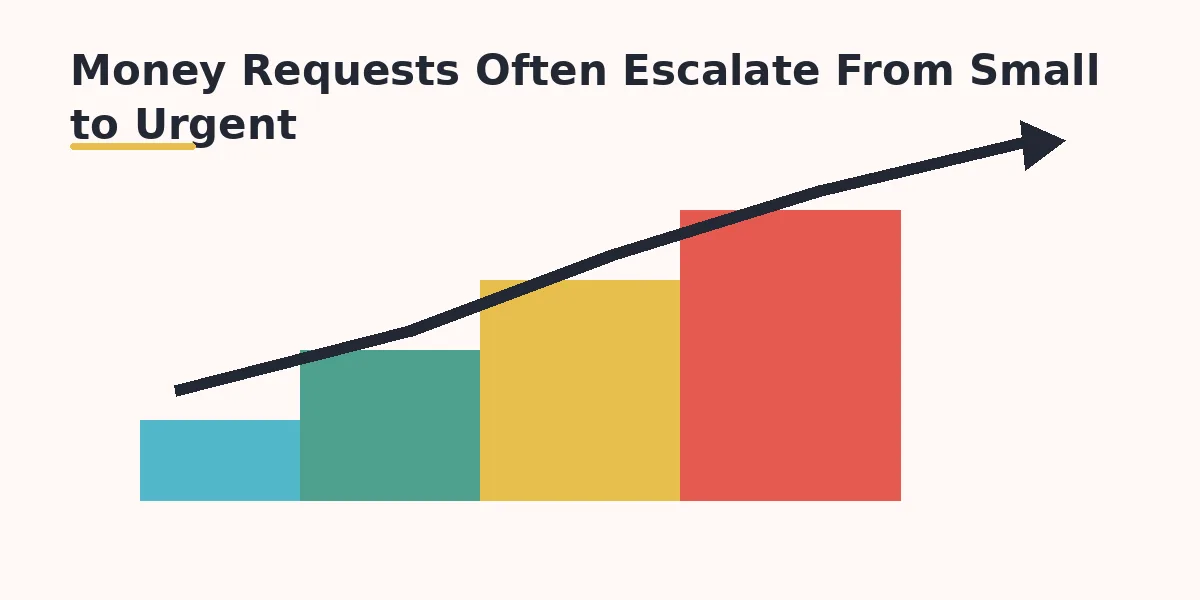
Money is where the scam becomes clearest. A request may begin small because small requests test whether you are willing to cross the financial boundary. Later requests can become more urgent and emotionally loaded: a flight, hospital bill, visa, emergency, debt, investment opportunity, customs fee, or money needed to unlock a larger sum.
The FTC advises never sending money or gifts to a romantic interest you have not met in person. Its 2026 guidance also warns that scammers may tell victims exactly how to pay, including wire transfers, gift cards, payment apps, or cryptocurrency. Those methods can be difficult to reverse. A person who cares about you should not need you to take financial risks to prove trust or affection.
Investment Talk Is a Major Warning Sign
Some romance scams are designed around investments rather than emergency money. The person builds emotional trust and then introduces cryptocurrency, stocks, or a supposedly profitable platform. You may even see fake account balances or early “returns” designed to make the opportunity look legitimate.
Treat romantic pressure and investment pressure as two separate risk categories that should not be combined. A new love interest should not be your financial adviser. If someone you know only online is directing you to move money, open accounts, buy cryptocurrency, or use a specific trading site, stop and verify independently. Do not rely on screenshots, links, or testimonials provided by the same person who benefits from your decision.
Watch for Money-Mule and Verification-Code Requests
A scammer does not always ask you to send money directly. Sometimes they ask to use your bank account, receive a transfer, forward funds, cash a check, open an account, or move cryptocurrency for them. The FBI warns that providing bank-account information to an online romantic interest can pull a victim into other fraud. A request to “help move money” should be treated as a major warning sign, even if the person promises you are not spending your own money.
Be equally careful with one-time login codes, verification codes, password-reset links, and identity documents. A genuine romantic interest does not need access to your accounts to prove trust. If someone pressures you to share security codes or says a code is needed to confirm your identity, stop. Those codes are often designed to authorize account access or payments, not relationships.
Intimate Photos Can Become Leverage
Romance scams sometimes move from emotional manipulation into sextortion or blackmail. A person may ask for intimate photos, videos, or highly personal information early in the connection and later threaten to expose them. The FBI specifically warns about online contacts who request inappropriate images or financial information that could later be used for extortion.
Do not let chemistry rush your privacy boundaries. Avoid including your face, identifiable room details, workplace clues, or other information in intimate content if you are not comfortable with the possibility of it being saved. If someone threatens you, preserve evidence instead of negotiating endlessly. Report the account and seek local support appropriate to the situation.
Common Warning Signs to Watch Together
The strongest warning usually comes from several signals appearing together.
- The emotional intensity is unusually fast: Love, destiny, or exclusivity appears before real trust exists.
- They push to leave the dating app quickly: Private channels reduce platform visibility and reporting.
- Their identity is hard to verify: Photos, job details, location, or personal history do not hold up to checking.
- Meeting never happens: Every plan is blocked by a new reason or emergency.
- They isolate you from outside opinions: Friends or family are framed as people who “do not understand” the relationship.
- Money enters the story: Travel, emergencies, investments, fees, gift cards, transfers, or cryptocurrency appear.
- They create urgency: You are told the decision has to happen now.
- They ask for sensitive information: Bank details, identity documents, login codes, or intimate images become part of the connection.
One sign may have an innocent explanation. Multiple signs deserve a slower pace and independent verification.
What to Do If You Suspect a Romance Scam
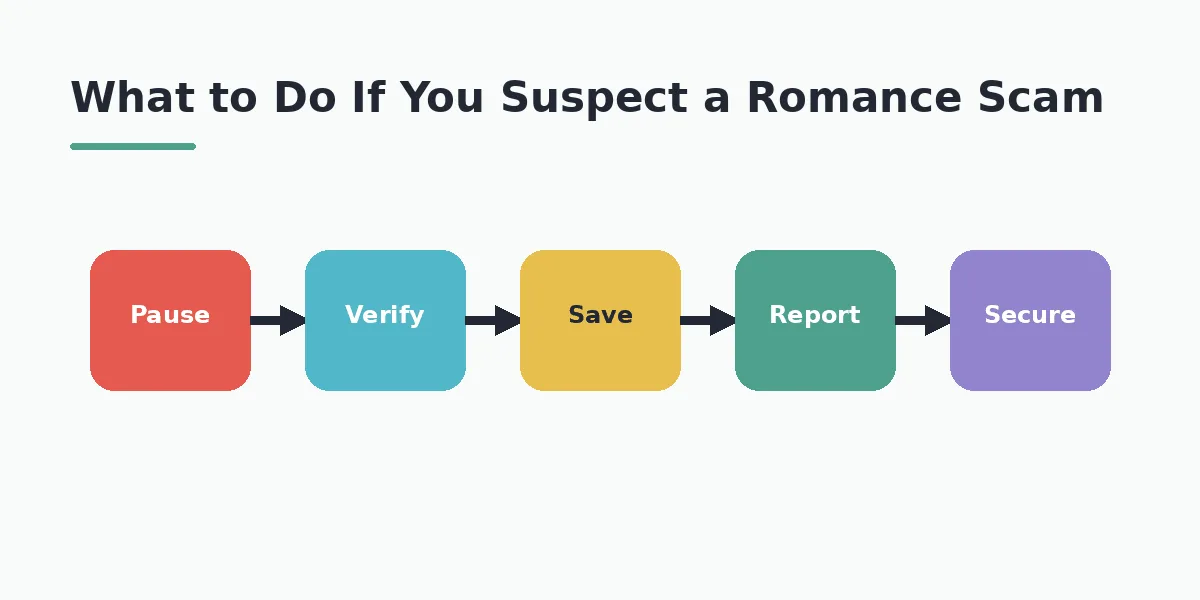
Use a simple incident-response sequence.
| Step | Action | Why it helps |
|---|---|---|
| Pause | Stop sending money, information, or intimate content | Prevents the situation from escalating while you assess it |
| Verify | Search names, jobs, profile photos, and story details independently | Helps detect reused identities and repeated scam scripts |
| Save | Screenshot the profile, messages, usernames, payment requests, and links | Evidence may disappear after blocking or reporting |
| Report | Notify the dating app and the relevant fraud-reporting authority | Helps platforms investigate and may protect other users |
| Secure | Change passwords, enable 2FA, and review connected accounts if needed | Limits damage if you shared more than intended |
| Contact payment provider | If money was sent, ask immediately whether the transfer can be reversed | Some payment methods may still allow recovery attempts |
| Tell someone you trust | Share the situation with someone outside the relationship | Emotional distance can make manipulation easier to see |
If you paid a scammer, the FTC recommends contacting the bank, payment company, gift-card issuer, or cryptocurrency service involved and asking whether recovery is possible.
Being Targeted Does Not Mean You Were Foolish
Romance scammers are effective because they are skilled at creating trust, urgency, and emotional dependence. The FBI explicitly describes these criminals as experts at what they do. Shame can keep people from reporting, which only gives scammers more room.
If you realize you have been manipulated, switch from self-judgment to damage control. Stop contact, protect your accounts, document what happened, and report it. Tell someone you trust. The useful question is not “How did I fall for this?” It is “What action protects me now?” A scam works by exploiting ordinary human needs for affection, hope, and connection. Learning the warning sequence helps you protect those needs without becoming suspicious of every genuine person you meet.
References
- Federal Trade Commission — Why can’t that new love interest meet in person?: 2026 guidance on current romance-scam warning signs, inability to meet, money requests, payment methods, and verification steps.
- FBI — Romance Scams: Official guidance on fake identities, rushed relationships, off-platform communication, stolen photos, financial requests, extortion risks, and reporting.